The Art of Clinical Mastery: When Experience Becomes Understanding

Be Present. See Clearly. Do Less. Treat with Precision.
After more than 45 years working in healthcare and over 100,000 patient treatments, I’ve come to appreciate that clinical mastery is not simply about how much you know.
It’s about what you can recognize, how clearly you understand what you’re seeing, and what you choose to do about it.
When I began my career in 1980, like most practitioners, I wanted to learn everything. More techniques, more treatment methods, more knowledge.
That curiosity has never left me. But experience has taught me something equally valuable: knowing when to do less can be just as important as knowing how to do more.
The Difference Between Knowledge and Mastery
A practitioner can have an extraordinary amount of theoretical knowledge and still struggle when confronted with a complicated patient.
Clinical mastery develops when that knowledge becomes practical understanding.
You begin to recognize relationships between apparently unrelated findings. You become more confident in your assessment and more selective in your interventions.
Most importantly, you learn to observe what actually changes rather than simply assuming that the treatment has worked.
Assessment, Treatment and Reassessment
One of the most useful principles I’ve developed throughout my clinical career is a straightforward process:
Assess. Treat. Reassess.
Before treatment, identify meaningful clinical findings.
Apply an appropriate intervention.
Then reassess.
What has changed? What remains? Is there an improvement in movement, tenderness, function or the patient’s experience?
Immediate changes can help guide clinical decisions, although lasting improvement must be evaluated over time.
This process brings clarity and accountability to our clinical work.
The Art of Doing Less
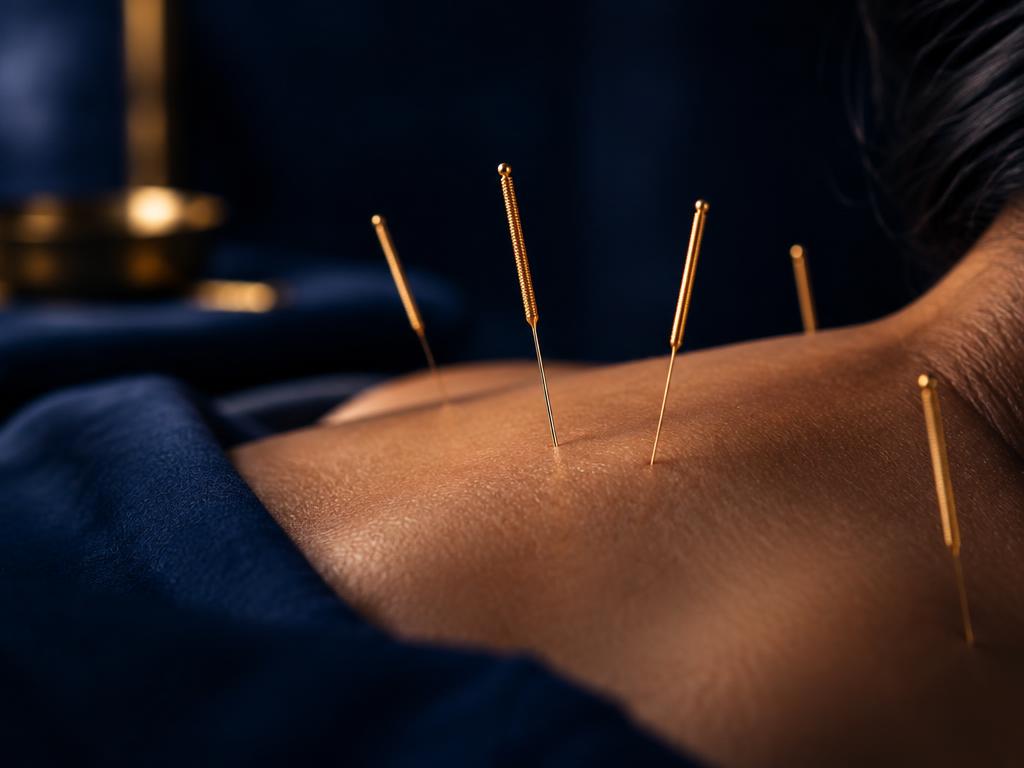
My experience with Neoclassical Acupuncture has reinforced the value of precision.
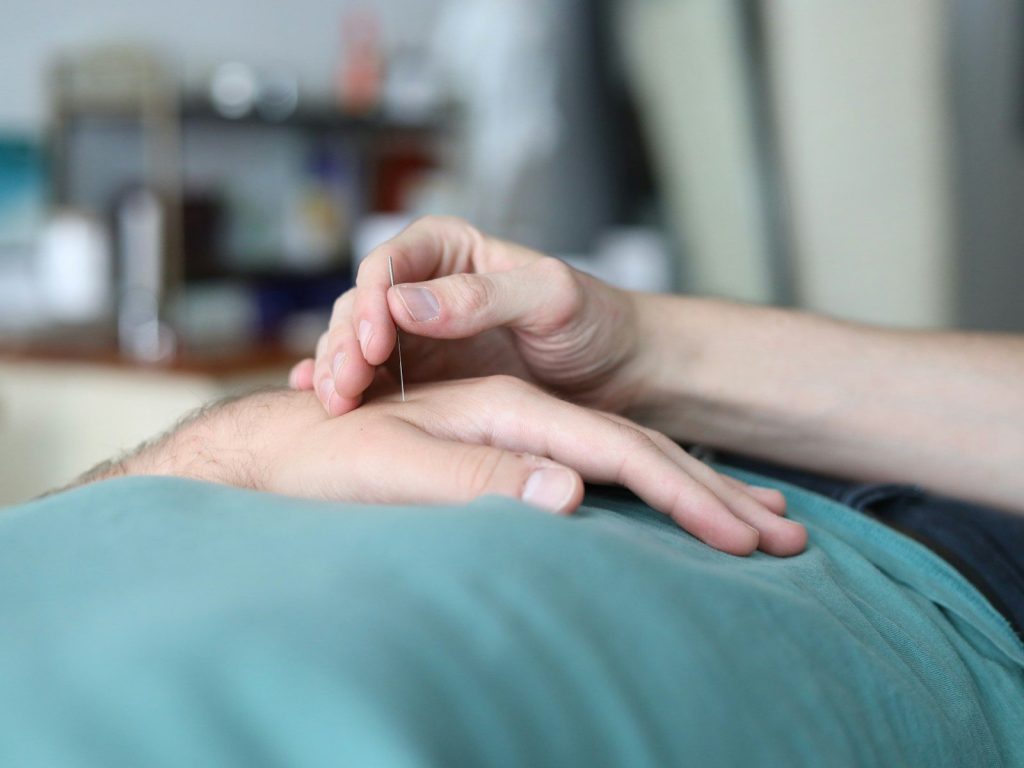
Developed by Dr Slate Burris, NCA provides a structured approach to palpation-guided acupuncture, sometimes involving just one carefully selected needle.
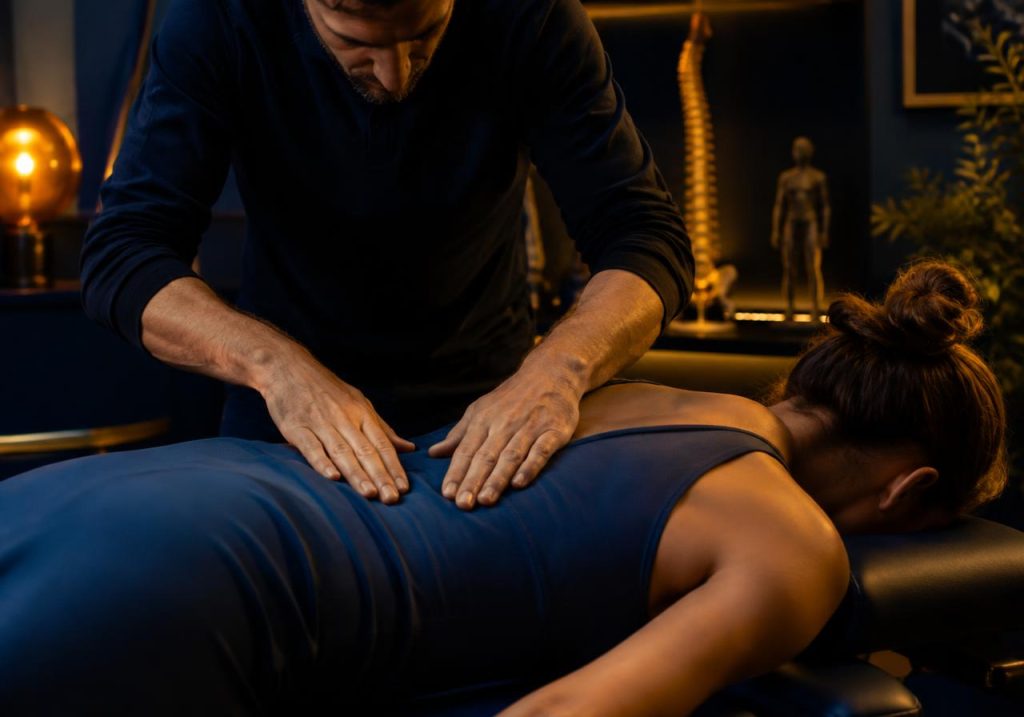
My own Integrated Structural Alignment system brings together low-velocity joint realignment, muscular and fascial release, and targeted structural correction.
Although these methods are different, they share a practical lesson: an intervention should have a clear purpose.
There is no need to perform ten techniques simply because we know ten techniques.
The challenge is recognizing what is appropriate for the person in front of us.
The Importance of Presence
Alongside my clinical career, I’ve spent decades exploring meditation, contemplative awareness and the principle of Wu Wei — effortless or non-forcing action.
Over time, I’ve come to appreciate how relevant these ideas are to clinical practice.
When we’re constantly thinking about the next technique, the next point or the next procedure, we can lose some of our ability to observe what is happening now.
Presence doesn’t replace anatomical knowledge, professional judgment or evidence-informed care.
It supports the quality of attention we bring to them.
Teaching the Next Generation
Having worked as a Senior Lecturer of Acupuncture and now teaching practitioners internationally, I’m particularly interested in helping clinicians develop genuine confidence.
I don’t believe that confidence comes from simply collecting certificates.
It develops through observation, practical experience, making mistakes, asking questions and learning to recognize meaningful clinical findings.
That’s why my teaching emphasizes hands-on experience, clinical demonstration, clear reasoning and reassessment.
Mastery Is a Lifelong Journey
Even after more than four decades, I’m still learning.
Every patient brings a different experience. Every teaching workshop offers an opportunity to discover another perspective.
Perhaps that’s what makes clinical practice so fascinating.
There is always something more to understand, but often a great deal less that needs to be done.
Clinical mastery is not about knowing every technique. It’s about developing the wisdom to know what matters, what to do and when to stop.
Explore Clinical Mastery education and professional training at DrMarkMcAuliffe.com.