The Natural State: The Art of Effortless Being

Discovering the simplicity of innate awareness beyond effort, striving and technique.
For much of my life, alongside my clinical work, I’ve explored a simple but profound question: What is our natural state before we begin trying to change or improve ourselves?
After more than 35 years of contemplative practice, including Vipassana meditation and Dzogchen, I’ve come to appreciate that our deepest understanding doesn’t necessarily arise from accumulating more knowledge or mastering increasingly complex techniques.
Sometimes, it comes through recognizing what is already present.
Wu Wei: The Art of Non-Doing
In Taoist philosophy, Wu Wei is often understood as effortless action or non-forcing.
This doesn’t mean becoming passive or doing nothing. Rather, it describes a way of living and responding naturally, without unnecessary struggle or interference.
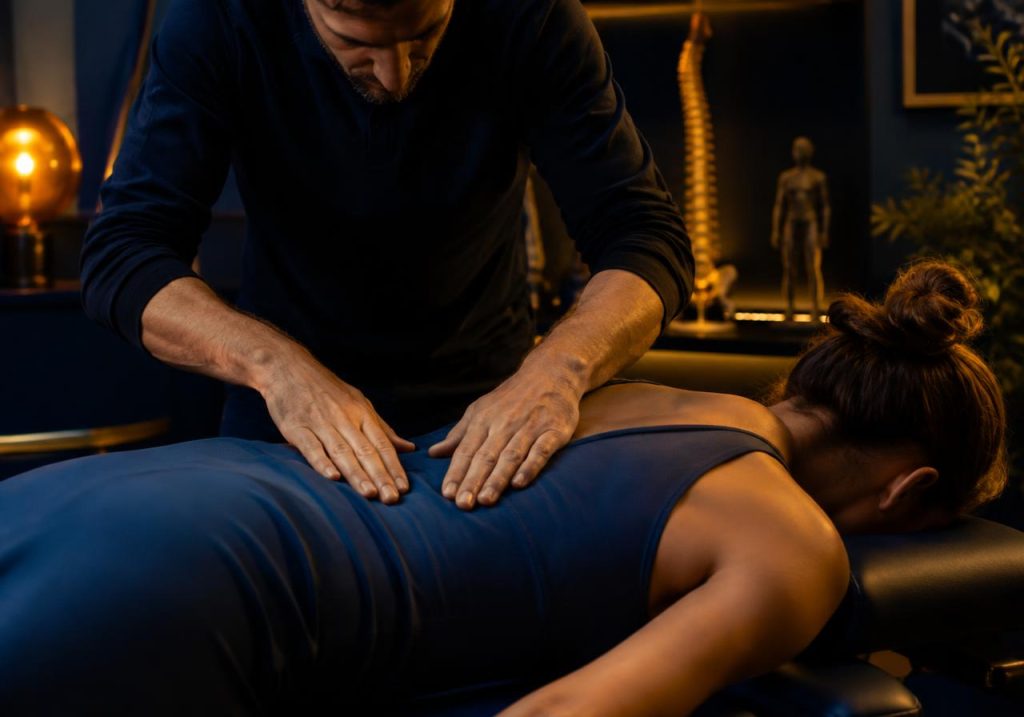
Think of an accomplished musician who no longer needs to consciously calculate every movement, or an experienced clinician whose actions arise naturally from years of practice.
Knowledge and experience remain, but excessive effort falls away.
Recognizing Innate Awareness
In Dzogchen, one of the central teachings concerns the direct recognition of our fundamental nature.
Rather than attempting to manufacture a special state of consciousness, the invitation is to recognize awareness as it is.
Thoughts arise and dissolve. Emotions come and go. Sensations and experiences continually change.
Yet there is the possibility of recognizing the awareness within which these experiences appear.
This recognition is not simply an intellectual understanding. It is something to explore directly.
The Natural State in Everyday Life
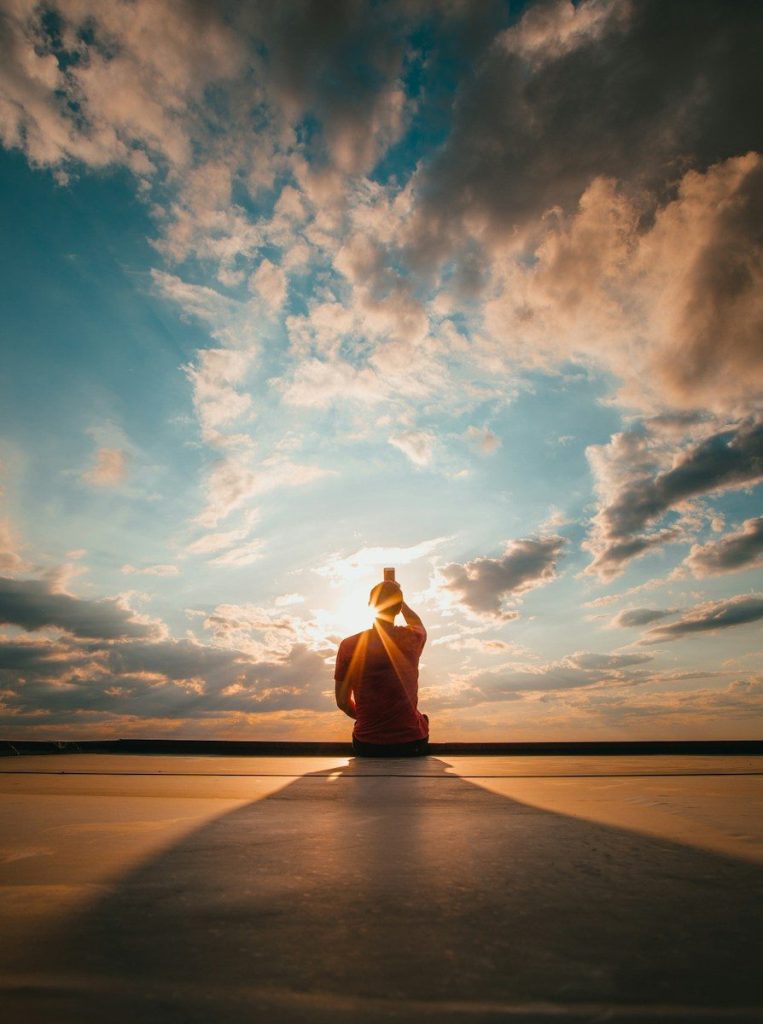
The natural state is not confined to meditation retreats or formal spiritual practice.
It can be explored while walking, listening, working, treating patients or simply sitting quietly.
In my own clinical journey, I’ve increasingly appreciated the relationship between presence and effective action.
When the mind is less occupied with unnecessary effort, there can be greater openness to what is actually happening.
This doesn’t replace knowledge, training or clinical judgement. It allows us to bring a different quality of attention to them.
Different Traditions, a Shared Invitation
Across contemplative traditions, we find different ways of exploring our relationship with awareness.
Taoism speaks of Wu Wei and harmony with the Tao.
Buddhist traditions explore mindfulness, insight and the recognition of mind’s nature.
Christian mysticism describes experiences of grace, surrender and resting in divine presence.
Although these traditions have distinct philosophies, each offers valuable perspectives on moving beyond excessive striving.
Nothing to Become
Perhaps one of the greatest paradoxes of contemplative practice is that the more we struggle to achieve a particular state, the more we may overlook the simplicity of what is already here.
The natural state is not another achievement to add to our collection.
It is an invitation to recognize the immediacy of experience without continually trying to alter it.
After decades of clinical practice, meditation and teaching, this understanding has become increasingly central to my life and work.
The art of effortless being is not about becoming someone different. It is about recognizing the simplicity of being present.
Dr Mark McAuliffe
Explore further teachings and reflections on The Natural State at DrMarkMcAuliffe.com.